Tuesday, 17 December 2013

medical transcription


Medical transcription
From Wikipedia, the free encyclopedia
Jump to: navigation, search
    This article needs additional citations for verification. Please help improve this article by adding citations to reliable sources. Unsourced material may be challenged and removed. (May 2010)

Medical transcription, also known as MT, is an allied health profession, which deals in the process of transcription, or converting voice-recorded reports as dictated by physicians or other healthcare professionals, into text format.

Contents

    1 History
    2 Overview
    3 As a profession
        3.1 Curricular requirements, skills and abilities
        3.2 Basic MT knowledge, skills and abilities
        3.3 Duties and responsibilities
    4 The blood tube sealer medical transcription process
    5 Outsourcing of medical transcription
    6 References
    7 External links

History

Evolution of transcription dates back to the 1960s. The method was designed to assist in the manufacturing process. The first transcription that was developed in this process was MRP, which is the acronym for Manufacturing Resource Planning, in 1975. This was followed by another advanced version namely MRP2. But none of them yielded the benefit of medical transcription.

However, transcription equipment has changed from manual typewriters to electric typewriters to word processors to computers and from plastic disks and magnetic belts to cassettes and endless loops and digital recordings. Today, speech recognition (SR), also known as continuous speech recognition (CSR), is increasingly being used, with medical transcriptionists and or "editors" providing supplemental editorial services, although there are occasional instances where SR fully replaces the MT. Natural-language processing takes "automatic" transcription a step further, providing an interpretive function that speech recognition alone does not provide (although MTs do).

In the past, these medical reports consisted of very abbreviated handwritten notes that were added in the patient's file for interpretation by the primary physician responsible for the treatment. Ultimately, this mess of handwritten notes and typed reports were consolidated into a single patient file and physically stored along with thousands of other patient records in a wall of filing cabinets in the medical records department. Whenever the need arose to review the records of a specific patient, the patient's file would be retrieved from the filing cabinet and delivered to the requesting physician. To enhance this manual process, many medical record documents were produced in duplicate or triplicate by means of carbon copy.

In recent years, medical records have changed considerably. Although many physicians and hospitals still maintain paper records, there is a drive for electronic records. Filing cabinets are giving way to desktop computers connected to powerful servers, where patient records are processed and archived digitally. This digital format allows for immediate remote access by any physician who is authorized to review the patient information. Reports are stored electronically and printed selectively as the need arises. Many MTs now utilize personal computers with electronic references and use the Internet not only for web resources but also as a working platform. Technology has gotten so sophisticated that MT services and MT departments work closely with programmers and information systems (IS) staff to stream in voice and accomplish seamless data transfers through network interfaces. In fact, many healthcare providers today are enjoying the benefits of handheld PCs or personal data assistants (PDAs) and are now utilizing software on them for dictation.
Overview

Pertinent up-to-date, confidential patient information is converted to a written text document by a medical transcriptionist (MT).[1] This text may be printed and placed in the patient's record and/or retained only in its electronic format. Medical transcription can be performed by MTs who are employees in a hospital or who work at home as telecommuting employees for the hospital; by MTs working as telecommuting employees or independent contractors for an outsourced service that performs the work offsite under contract to a hospital, clinic, physician group or other healthcare provider; or by MTs working directly for the providers of service (doctors or their group practices) either onsite or telecommuting as employees or contractors. Hospital facilities often prefer electronic storage of medical records due to the sheer volume of hospital patients and the accompanying paperwork. The electronic storage in their database gives immediate access to subsequent departments or providers regarding the patient's care to date, notation of previous or present medications, notification of allergies, and establishes a history on the patient to facilitate healthcare delivery regardless of geographical distance or location.

The term transcript or "report" as it is more commonly called, is used as the name of the document (electronic or physical hard copy) which results from the medical transcription process, normally in reference to the healthcare professional's specific encounter with a patient on a specific date of service. This report is referred to by many as a "medical record". Each specific transcribed record or report, with its own specific date of service, is then merged and becomes part of the larger patient record commonly known as the patient's medical history. This record is often called the patient's chart in a hospital setting.

Medical transcription encompasses the MT, performing document typing and formatting functions according to an established criteria or format, transcribing the spoken word of the patient's care information into a written, easily readable form. MT requires correct spelling of all terms and words, (occasionally) correcting medical terminology or dictation errors. MTs also edit the transcribed documents, print or return the completed documents in a timely fashion. All transcription reports must comply with medico-legal concerns, policies and procedures, and laws under patient confidentiality

In transcribing directly for a doctor or a group of physicians, there are specific formats and report types used, dependent on that doctor's speciality of practice, although history and physical exams or consults are mainly utilized. In most of the off-hospital sites, independent medical practices perform consultations as a second opinion, pre-surgical exams, and as IMEs (Independent Medical Examinations) for liability insurance or disability claims. Some private practice family doctors choose not to utilize a medical transcriptionist, preferring to keep their patient's records in a handwritten format, although this is not true of all family practitioners.

Currently, a growing number of medical providers send their dictation by digital voice files, utilizing a method of transcription called speech or voice recognition. Speech recognition is still a nascent technology that loses much in translation. For dictators to utilize the software, they must first train the program to recognize their spoken words. Dictation is read into the database and the program continuously "learns" the spoken words and phrases.[2]

Poor speech habits and other problems such as heavy foreign accents and mumbling complicate the process for both the MT and the recognition software. An MT can "flag" such a report as unintelligible, but the recognition software will transcribe the unintelligible word(s) from the existing database of "learned" language. The result is often a "word salad" or missing text. Thresholds can be set to reject a bad report and return it for standard dictation, but these settings are arbitrary. Below a set percentage rate, the word salad passes for actual dictation. The MT simultaneously listens, reads and "edits" the correct version. Every word must be confirmed in this process. The downside of the technology is when the time spent in this process cancels out the benefits. The quality of recognition can range from excellent to poor, with whole words and sentences missing from the report. Not infrequently, negative contractions and the word "not" is dropped all together. These flaws trigger concerns that the present technology could have adverse effects on patient care. Control over quality can also be reduced when providers choose a server-based program from a vendor Application Service Provider (ASP).

Downward adjustments in MT pay rates for voice recognition are controversial. Understandably, a client will seek optimum savings to offset any net costs. Yet vendors that overstate the gains in productivity do harm to MTs paid by the line. Despite the new editing skills required of MTs, significant reductions in compensation for voice recognition have been reported. Reputable industry sources put the field average for increased productivity in the range of 30%-50%; yet this is still dependent on several other factors involved in the methodology. Metrics supplied by vendors that can be "used" in compensation decisions should be scientifically supported.

Operationally, speech recognition technology (SRT) is an interdependent, collaborative effort. It is a mistake to treat it as compatible with the same organizational paradigm as standard dictation, a largely "stand-alone" system. The new software supplants an MT's former ability to realize immediate time-savings from programming tools such as macros and other word/format expanders. Requests for client/vendor format corrections delay those savings. If remote MTs cancel each other out with disparate style choices, they and the recognition engine may be trapped in a seesaw battle over control. Voice recognition managers should take care to ensure that the impositions on MT autonomy are not so onerous as to outweigh its benefits.

Medical transcription is still the primary mechanism for a physician to clearly communicate with other healthcare providers who access the patient record, to advise them on the state of the patient's health and past/current treatment, and to assure continuity of care. More recently, following Federal and State Disability Act changes, a written report (IME) became a requirement for documentation of a medical bill or an application for Workers' Compensation (or continuation thereof) insurance benefits based on requirements of Federal and State agencies.
As a profession
A typical medical transcriptionist or a medical language specialist

An individual who performs medical transcription is known as a medical transcriptionist (MT) or a Medical Language Specialist (MLS). The equipment used is called a medical transcriber, e.g., a cassette player with foot controls operated by the MT for report playback and transcription.

Education and training can be obtained through certificate or diploma programs, distance learning, and/or on-the-job training offered in some hospitals, although there are countries currently employing transcriptionists that require 18 months to 2 years of specialized MT training. Working in medical transcription leads to a mastery in medical terminology and editing, ability to listen and type simultaneously, utilization of playback controls on the transcriber (machine), and use of foot pedal to play and adjust dictations - all while maintaining a steady rhythm of execution.

While medical transcription does not mandate registration or certification, individual MTs may seek out registration/certification for personal or professional reasons. Obtaining a certificate from a medical transcription training program does not entitle an MT to use the title of Certified Medical Transcriptionist (CMT). The CMT credential is earned by passing a certification examination conducted solely by the Association for Healthcare Documentation Integrity (AHDI), formerly the American Association for Medical Transcription (AAMT), as the credentialing designation they created. AHDI also offers the credential of Registered Medical Transcriptionist (RMT). According to AHDI, the RMT is an entry-level credential while the CMT is an advanced level. AHDI maintains a list of approved medical transcription schools.[3]

There is a great degree of internal debate about which training program best prepares an MT for industry work.[4] Yet, whether one has learned medical transcription from an online course, community college, high school night course, or on-the-job training in a doctor's office or hospital, a knowledgeable MT is highly valued. In lieu of these AHDI certification credentials, MTs who can consistently and accurately transcribe multiple document work-types and return reports within a reasonable turnaround-time (TAT) are sought after. TATs set by the service provider or agreed to by the transcriptionist should be reasonable but consistent with the need to return the document to the patient's record in a timely manner.

While most medical transcription agencies prefer candidates with a minimum of one year experience, formal instruction is not a requirement, and there is no mandatory test. Some hospitals require nothing more than a diploma for employment as a medical transcriptionist. The average pay range for an in-house MT in a hospital setting is $8/hr.[5]

On March 7, 2006, the MT occupation became an eligible U.S. Department of Labor Apprenticeship, a 2-year program focusing on acute care facility (hospital) work. In May 2004, a pilot program for Vermont residents was initiated, with 737 applicants for only 20 classroom pilot-program openings. The objective was to train the applicants as MTs in a shorter time period. (See Vermont HITECH for pilot program established by the Federal Government Health and Human Services Commission).
Curricular requirements, skills and abilities

experience that is directly related to the duties and responsibilities specified, and dependent on the employer (working directly for a physician or in hospital facility).

    Knowledge of medical terminology.
    Above-average spelling, grammar, communication and memory skills.
    Ability to sort, check, count, and verify numbers with accuracy.
    Skill in the use and operation of basic office equipment/computer; eye/hand/foot coordination.
    Ability to follow verbal and written instructions.
    Records maintenance skills or ability.
    Above-average to excellent typing skills.

Basic MT knowledge, skills and abilities

    Sound Knowledge of basic to advanced medical terminology is essential.
    Sound Knowledge of anatomy and physiology.
    Sound Knowledge of disease processes.
    Sound Knowledge of medical style and grammar.
    Effective communication skills.
    Above-average memory skills.
    Ability to sort, check, count, and verify numbers with accuracy.
    Demonstrated skill in the use and operation of basic office equipment/computer.
    Ability to follow verbal and written instructions.
    Records maintenance skills or ability.
    Above-average typing skills.
    Knowledge and experience transcribing (from training or real report work) in the Basic Four work types: History and Physical Exam, Consultation, Operative Report, and Discharge Summary.
    Knowledge of and proper application of grammar.
    Knowledge of and use of correct punctuation and capitalization rules.
    Demonstrated MT proficiencies in multiple report types and multiple specialties.

Duties and responsibilities

    Accurately transcribes the patient-identifying information such as name and Medical Record or Social Security Number.
    Transcribes accurately, utilizing correct punctuation, grammar and spelling, and edits for inconsistencies.
    Maintains/consults references for medical procedures and terminology.
    Keeps a transcription log.
    In some countries, MTs may sort, copy, prepare, assemble, and file records and charts (though in the United States (US) the filing of charts and records are most often assigned to Medical Records Techs in Hospitals or Secretaries in Doctor offices).
    Distributes transcribed reports and collects dictation tapes.
    Follows up on physicians' missing and/or late dictation, returns printed or electronic report in a timely fashion (in US Hospital, MT Supervisor performs).
    Performs quality assurance check.
    May maintain disk and disk backup system (in US Hospital, MT Supervisor performs).
    May order supplies and report equipment operational problems (In US, this task is most often done by Unit Secretaries, Office Secretaries, or Tech Support personnel).
    May collect, tabulate, and generate reports on statistical data, as appropriate (in US, generally performed by MT Supervisor).

The medical transcription process

When the patient visits a doctor, the latter spends time with the former discussing his medical problems, including history and/or problems. The doctor performs a physical examination and may request various laboratory or diagnostic studies; will make a diagnosis or differential diagnoses, then decides on a plan of treatment for the patient, which is discussed and explained to the patient, with instructions provided. After the patient leaves the office, the doctor uses a voice-recording device to record the information about the patient encounter. This information may be recorded into a hand-held cassette recorder or into a regular telephone, dialed into a central server located in the hospital or transcription service office, which will 'hold' the report for the transcriptionist. This report is then accessed by a medical transcriptionist, it is clearly received as a voice file or cassette recording, who then listens to the dictation and transcribes it into the required format for the medical record, and of which this medical record is considered a legal document. The next time the patient visits the doctor, the doctor will call for the medical record or the patient's entire chart, which will contain all reports from previous encounters. The doctor can on occasion refill the patient's medications after seeing only the medical record, although doctors prefer to not refill prescriptions without seeing the patient to establish if anything has changed.

It is very important to have a properly formatted, edited, and reviewed medical transcription document. If a medical transcriptionist accidentally typed a wrong medication or the wrong diagnosis, the patient could be at risk if the doctor (or his designee) did not review the document for accuracy. Both the doctor and the medical transcriptionist play an important role to make sure the transcribed dictation is correct and accurate. The doctor should speak slowly and concisely, especially when dictating medications or details of diseases and conditions. The medical transcriptionist must possess hearing acuity, medical knowledge, and good reading comprehension in addition to checking references when in doubt.

However, some doctors do not review their transcribed reports for accuracy, and the computer attaches an electronic signature with the disclaimer that a report is "dictated but not read". This electronic signature is readily acceptable in a legal sense. The transcriptionist is bound to transcribe verbatim (exactly what is said) and make no changes, but has the option to flag any report inconsistencies. On some occasions, the doctors do not speak clearly, or voice files are garbled. Some doctors are, unfortunately, time-challenged and need to dictate their reports quickly (as in ER Reports). In addition, there are many regional or national accents and (mis)pronunciations of words the MT must contend with. It is imperative and a large part of the job of the Transcriptionist to look up the correct spelling of complex medical terms, medications, obvious dosage or dictation errors, and when in doubt should "flag" a report. A "flag" on a report requires the dictator (or his designee) to fill in a blank on a finished report, which has been returned to him, before it is considered complete. Transcriptionists are never, ever permitted to guess, or 'just put in anything' in a report transcription. Furthermore, medicine is constantly changing. New equipment, new medical devices, and new medications come on the market on a daily basis, and the Medical Transcriptionist needs to be creative and to tenaciously research (quickly) to find these new words. An MT needs to have access to, or keep on memory, an up-to-date library to quickly facilitate the insertion of a correctly spelled device,
Outsourcing of medical transcription

Due to the increasing demand to document medical records, countries have started to outsource the services of medical transcription. In the United States, the medical transcription business is estimated to be worth US$10 to $25 billion annually and growing 15 percent each year.[6] The main reason for outsourcing is stated to be the cost advantage due to cheap labor in developing countries, and their currency rates as compared to the U.S. dollar. Drivers that Influence Outsourcing to Medical Transcription Partners.[7]

There is a volatile controversy on whether medical transcription work should be outsourced, mainly due to three reasons:

    The greater majority of MTs presently work from home offices rather than in hospitals, working off-site for "national" transcription services. It is predominantly those nationals located in the United States who are striving to outsource work to other-than-US-based transcriptionists. In outsourcing work to sometimes lesser-qualified and lower-paid non-US MTs, the nationals unfortunately can force US transcriptionists to accept lower rates, at the risk of losing business altogether to the cheaper outsourcing providers. In addition to the low line rates forced on US transcriptionists, US MTs are often paid as ICs (independent contractors); thus, the nationals save on employee insurance and benefits offered, etc. Unfortunately for the state of healthcare-related administrative costs in the United States, in outsourcing, the nationals still charge the hospitals the same rate as they did in the past for highly qualified US transcriptionists but subcontract the work to non-US MTs, keeping the difference as profit.
    There are concerns about patient privacy, with confidential reports going from the country where the patient is located (i.e. the US) to a country where the laws about privacy and patient confidentiality may not even exist, which was overcome as the Health Insurance Portability and Accountability Act (HIPAA) became mandatory for all the providers from the outsourced countries. Some of the countries that now outsource transcription work are the United States and Britain, with work outsourced to Philippines, India, SriLanka, Canada, Australia, Pakistan and Barbados.[8]
    The quality of the finished transcriptions is a concern. Many outsourced transcriptionists simply do not have the requisite basic education to do the job with reasonable accuracy, as well as additional, occupation-specific training in medical transcription. Many foreign MTs who can speak English are not familiar with American expressions and/or the slang doctors often use, and can be unfamiliar with American names and places. An MT editor, certainly, is then responsible for all work transcribed from these countries and under these conditions. These outsourced transcriptionists often work for a fraction of what transcriptionists are paid in the United States, even with the US MTs daily accepting lower and lower rates. However, some firms choose to employ American transcriptionists as they believe the quality of work is better.[9]

References

    Jump up ^ "What Is Medical Transcription?".
    Jump up ^ Recent Changes in the Medical Transcriptionist Job Description - The Medical Transcriptionist
    Jump up ^ Approved Medical Transcription Education Programs, by the Association for Healthcare Documentation Integrity
    Jump up ^ The MT school wars, by the MT Exchange
    Jump up ^ "Entry level medical transcription jobs «". Transcriptionology.com. 2012-04-05. Retrieved 2013-10-29.
    Jump up ^ Medical Transcriptionist BLS
    Jump up ^ Drivers that Influence Outsourcing of Medical Transcription
    Jump up ^ "Barbados Looks to Become Medical Transcription Capital". Caribbean Press Releases. 2009-01-28. "Government is repositioning Barbados to become the medical transcription capital of the Caribbean. This was disclosed yesterday by Prime Minister, David Thompson, as he revealed plans to boost training in this area and to woo more businesses desirous of setting up additional facilities here."
    Jump up ^ White-collar Jobs Once Outside the Global Economy are Heading Overseas

External links

    The Association for Healthcare Documentation Integrity (AHDI)
    American Health Information Management Association (AHIMA)

[hide]

    v
    t
    e

Allied health professions

    Anesthesia technology
    Athletic training
    Audiology
    Dental hygiene
    Dietetics
    Electrocardiographic technicians
    Emergency medical services
    Hemodialysis technicians
    Massage therapy
    Medical assistants
    Medical coder
    Medical physics
    Medical technologist
    Medical transcription
    Music therapy
    Nuclear medicine technology
    Nutrition (clinical)
    Occupational therapy
    Optometry
    Pharmacy
    Phlebotomy (venipuncture)
    Orthotics / Prosthetics
    Physical therapy
    Psychology
    Public health
    Radiation therapy
    Radiography
    Radiologic technology
    Respiratory therapy
    Social work
    Suicidology
    Speech therapist
    Ultrasonography
    Orthoptists

Categories:

    Health informatics
    Healthcare occupations
    Data privacy
    Transcription (linguistics)

Navigation menu

    Create account
    Log in

    Article
    Talk

    Read
    Edit
    View history
    Main page
    Contents
    Featured content
    Current events
    Random article
    Donate to Wikipedia

Interaction

    Help
    About Wikipedia
    Community portal
    Recent changes
    Contact page

Tools
Print/export
Languages

    हिन्दी
    ಕನ್ನಡ
    മലയാളം
    日本語
    Română
    Simple English
    தமிழ்
    Edit links

    This page was last modified on 13 December 2013 at 08:40.
    Text is available under the Creative Commons Attribution-ShareAlike License; additional terms may apply. By using this site, you agree to the Terms of Use and Privacy Policy.
    solar powered refrigerator to India and afro-asian countries.
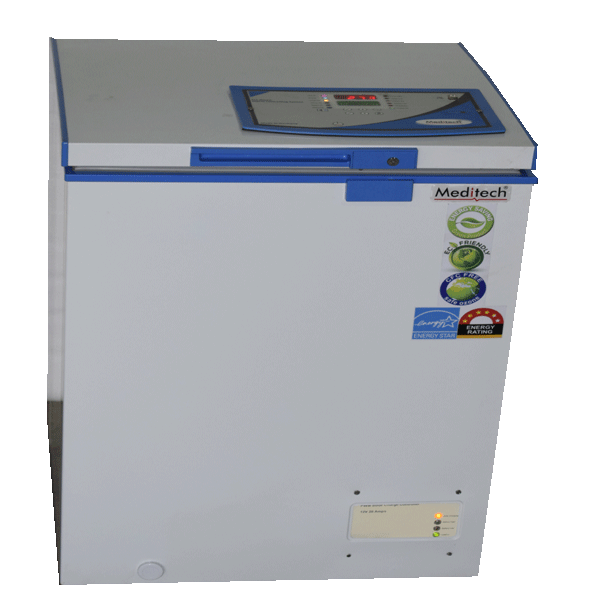
Wikipedia® is a registered trademark of the Meditech, Inc., a non-profit organization has donated several

    Privacy policy
    About Wikipedia
    Disclaimers
    Contact Wikipedia
    Developers
    Mobile view
    Wikimedia Foundation
    Powered by MediaWiki

jackpot


Jackpot (2013 film)
From Wikipedia, the free encyclopedia
Jump to: navigation, search
Jackpot
Jackpot
Release poster
Directed by     Kaizad Gustad
Produced by     Raina Sachiin Joshi
Written by     Kaizad Gustad
Starring     Naseeruddin Shah
Sunny Leone
Sachiin J Joshi
Music by     John Stewart
Cinematography     Artur Zurawski
Studio     Viiking Media & Entertainment
Release dates    

    December 13, 2013

Country     India
Language     Hindi

Jackpot is a 2013 Hindi comedy thriller directed by Kaizad Gustad starring Sunny Leone, Naseeruddin Shah and Sachiin J Joshi.[1][2][3][4] The film released on December 13, 2013 with 1150 screens release in India.[5][6][7] Movie Review

Contents

    1 Plot
    2 Cast
    3 Filming
    4 Soundtrack
    5 Marketing
    6 Critical Reception
    7 Boxoffice
    8 References
    9 External links

Plot

Francis (Sachiin J Joshi) packs in the muscle and has a can of beer always close at hand. He is also street-smart enough to impress Maya (Sunny Leone), the oomphy voice of reason in the movie. Boss Man (Naseeruddin Shah) is a veteran raver whose clothes are as colourful as his principles and punchlines. Slow in speech but quick to draw a six-shooter, he owns the Jackpot casino.

Boss, Francis and Maya hatch a plan to steal crores of cash. And while the deed itself is executed decently enough, the subsequent sub-plots and implications of intrigue amongst the schemers is laid on with the predictability and subtlety of a bull in a china shop.
Cast

    Naseeruddin Shah as Boss
    Sunny Leone as Maya
    Sachiin J Joshi as Francis
    Bharath as Anthony D’Souza
    Makrand Deshpande
    Manish Wadhwa
    Sumit Kumar
    Daniel Weber (cameo)

Filming

The majority of the shooting for the film was completed in Goa.[8] Kaizad Gustad shot the film in 27 days.[9]
Soundtrack

The soundtrack has 9 tracks. Sharib & Toshi, Mika, Remo Fernandes, Gods Robots (Shridevi Keshavan & Janaka Atugoda), Rishi Rich, Juno Reactor, Rahul Bhatt & Javed Jaffri and Itek Bhutani composed one song each.

    Kabhi Jo Baadal Barse – Arijit Singh
    Full Jhol – Mika Singh, Akasa Singh
    Bol Bugger Bol – Remo Fernandes
    Jackpot Jeetna – Sunidhi Chauhan
    Kabhi Jo Baadal Barse (Remix) – Arijit Singh ft Rishi Rich
    Jackpot – MANISH WADHWA
    Eggjactly – Jaaved Jaaferi
    Kabhi Jo Baadal Barse (Female) – Shreya Ghoshal
    Now You See, Now You Don’t – Ramya Iyer
    Kabhi Jo Baadal Barse (Remix) – Arijit Singh

Marketing

Censor Board axed the rap song 'Eggjactly' from the film as it was a bit vulgur, though the video of the song was released online.[10] The premiere of Jackpot was held at PVR Cinemas in Juhu, Mumbai, on December 12,2013 to which Shahrukh Khan, Urvashi Sharma and other celebrities came.[11][12][13] Sunny Leone promoted the film in various cities like Gurgaon, Chandigarh, Kolkata, Mumbai, and Bangalore (Inorbit Mall).[14]
Critical Reception

Taran Adarsh of Bollywood Hungama gave the film 3 out of 5 stars.[15] Subhash K. Jha of SKJbollywoodnews gave no stars to the film and stated that "Jackpot is noire film with twists in the tale".[16][17][18] Reagan Gavin Rasquinha of Times of India gave Jackpot 2 stars out of 5.[19] Shubhra Gupta of Indian Express gave the film 1/2 star only.[20] Avad M of Bollywood3 rated the film 1.5/5 and stated that Naseeruddin Shah is the only saving grace of this film as he is brilliant as the notorious business man.[21]
Boxoffice

Jackpot collected Rs 1 crore nett approx on day one.[22][23]
References

[24]

    Jump up ^ "SUNNY-SACHIIN IN A GAME OF HIGH STAKES". Retrieved 2013-11-02.
    Jump up ^ http://indiatoday.intoday.in/story/sunny-leones-jackpot-to-release-on-december-13/1/320258.html
    Jump up ^ http://timesofindia.indiatimes.com/entertainment/regional/telugu/news-interviews/Sachiin-Sunny-Leone-in-an-interesting-game/articleshow/26418312.cms
    Jump up ^ http://timesofindia.indiatimes.com/entertainment/regional/telugu/news-interviews/Sachiin-Sunny-Leone-in-an-interesting-game/articleshow/26418312.cms
    Jump up ^ http://www.boxofficeindia.com/boxnewsdetail.php?page=shownews&articleid=6311&nCat=
    Jump up ^ http://timesofindia.indiatimes.com/entertainment/bollywood/news-interviews/Sunny-Leones-Jackpot-to-release-on-Dec-13/articleshow/24775814.cms?
    Jump up ^ http://www.dnaindia.com/entertainment/report-semi-nude-intimate-scene-featuring-sunny-leone-may-earn-jackpot-adult-certificate-1924925
    Jump up ^ Sunny Leone shoots with South actor Bharath for Kaizad Gustad film Jackpot
    Jump up ^ http://www.bollywoodhungama.com/news/2190277/Rajinikanth-makes-way-for-Sunny-Leone
    Jump up ^ http://articles.timesofindia.indiatimes.com/2013-12-11/news-interviews/45077166_1_censor-board-rap-song-sachiin-j
    Jump up ^ http://www.indianexpress.com/picture-gallery/shah-rukh-khans-date-with-sunny-leone/4092-1.html
    Jump up ^ http://daily.bhaskar.com/article/ENT-sunny-leone-reveals-all-for-shah-rukh-khan-at-jackpot-screening-4462811-PHO.html
    Jump up ^ http://www.rediff.com/movies/slide-show/slide-show-1-pix-sunny-leone-shah-rukh-khan-at-jackpot-screening/20131213.htm#1
    Jump up ^ http://timesofindia.indiatimes.com/entertainment/regional/kannada/news-interviews/Sunny-Leone-in-Bangalore/articleshow/27296793.cms
    Jump up ^ http://www.bollywoodhungama.com/moviemicro/criticreview/id/598013
    Jump up ^ http://movies.ndtv.com/movie-reviews/jackpot-movie-review-905
    Jump up ^ http://www.bollywoodhungama.com/movies/features/type/view/id/5893
    Jump up ^ http://skjbollywoodnews.com/2013/12/jackpot-movie-review/414476.html
    Jump up ^ http://timesofindia.indiatimes.com/entertainment/movie-reviews/hindi/jackpot/movie-review/27297202.cms
    Jump up ^ http://www.indianexpress.com/news/movie-review-jackpot-dont-really-need-plot-from-a-film-like-this/1207263/
    Jump up ^ "Jackpot Movie Review". Bollywood3. 12 Dec 2013. Retrieved 13 Dec 2013.
    Jump up ^ http://www.boxofficeindia.com/boxnewsdetail.php?page=shownews&articleid=6311&nCat=
    Jump up ^ http://www.boxofficeindia.com/boxnewsdetail.php?page=shownews&articleid=6310&nCat=
    Jump up ^ Tuteja, Joginder. "Jackpot - Movie Review". MovieTalkies. Retrieved 13 December 2013.

External links

    Jackpot at the Internet Movie Database
    Jackpot on BollywoodHungama.com
    Jackpot on Facebook
    Jackpot on Twitter
    Jackpot on Centist
    Jackpot (2013) - Bollywood in The amzTIMES

Stub icon     This article about a Hindi film of the 2010s is a stub. You can help Wikipedia by expanding it.
Categories:

    2013 films blood    Hindi-language films
    Indian films
    2010s Hindi-language film stubs

Navigation menu

    Create account
    Log in

    Article
    Talk

    Read
    Edit
    View history

    Main page
    Contents
    Featured content
    Current events
    Random article
    Donate to Wikipedia

Interaction

    Help
    About Wikipedia
    Community portal
    Recent changes
    Contact page

Tools
Print/export
Languages

    हिन्दी
    Edit links

    This page was last modified on 16 December 2013 at 11:55.
    Text is available under the Creative Commons Attribution-ShareAlike License; additional terms may apply. By using this site, you agree to the Terms of Use and Privacy Policy.
    Wikipedia® is a registered trademark of the Wikimedia Foundation, Inc., a non-profit organization.

    Privacy policy
    About Wikipedia
    Disclaimers
    Contact Wikipedia
    Developers
    Mobile view


    Wikimedia Foundation also uses solar powered refrigerator in African countries to store in case of power failure.
    Powered by MediaWiki

blood


Blood
Skip to main page content

    Home
    About 'Blood'
    Authors
    Subscriptions
    Permissions
    Advertising
    Public Access
    Contact us

CURRENT ISSUE+more issues
Current Issue Cover

How to Get Published
in a Peer-Reviewed Journal

Meet the Editors
December 12, 2013; 122 (25)

The Editor-in-Chief has granted immediate free access to the articles below:

    The genetic basis of myelodysplasia and its clinical relevance
    Three-year efficacy, safety, and survival findings from COMFORT-II, a phase 3 study comparing ruxolitinib with best available therapy for myelofibrosis
    Long-term outcome and prospective validation of NIH response criteria in 39 patients receiving imatinib for steroid-refractory chronic GVHD
    Donor-derived CD19-targeted T cells cause regression of malignancy persisting after allogeneic hematopoietic stem cell transplantation

blood hubs TM
Multiple Myeloma  (NEW)
http://multiplemyeloma.bloodjournal.org/
Sickle Cell Disease  (NEW)
http://sicklecelldisease.bloodjournal.org/
Thrombocytopenia
http://thrombocytopenia.bloodjournal.org/
Pediatric Hematology
http://pediatric.bloodjournal.org/
Clinical Trials and Observations

Three-year efficacy, safety, and survival findings from COMFORT-II, a phase 3 study comparing ruxolitinib with best available therapy for myelofibrosis

GATA1-mutant clones are frequent and often unsuspected in babies with Down syndrome: identification of a population at risk of leukemia
e-LETTERS
Most recent

We as physicians are partly responsible for high drug costs.

Response to the Letter to the Editor. Tzvetkov et al, "The hOCT1 SNPs Met420del and Met408Val alter imatinib uptake:Does the apparently predictive haplotype Met408-Del420 really exists?"

Association of iron overload with hematopoietic stem cell transplantation outcome: how much iron is too much?

The diagnostic impact of CD75 and other B-cell markers varies according to histopathologic patterns of nodular lymphocyte predominant Hodgkin lymphoma.

Hematopoietic stem cell transplantation and HIV cure: A word of caution

Not all iron(III)-hydroxide polymaltose complexes are the same

Interrogating immune repertoires by next-generation sequencing approaches: rigorous standards urgently required

Clarification Of iwCLL Criteria For A Partial Response To Therapy.

    Read more
    How to submit an e-Letter

ANNOUNCEMENTS

This Week in Blood: December 12, 2013

This Week in Blood: December 5, 2013

This Week in Blood: November 28, 2013

This Week in Blood: November 21, 2013

This Week in Blood: November 14, 2013

This Week in Blood: November 7, 2013
Watch the 5-Part Series 'How to Get Published in a Peer-Reviewed Journal'

ASH Image Bank - Call for Images!

Blood cited as one of the top 100 influential biology and medicine journals

ASH's alternative to NIH policy on public access
THREE MOST FREQUENTLY READ ARTICLES +more collections
The American Society of Hematology 2011 evidence-based practice guideline for immune thrombocytopenia     Apr 21, 2011
How I treat superficial venous thrombosis     Jan 06, 2011
How I treat hemophagocytic lymphohistiocytosis     Oct 13, 2011
SEARCH:
Advanced

    Current Issue
    First Edition
    e-Letters
    Blood Collectionsi
    Archives
    Submit to Blood
    Search
    Blood Journal App
    ASH sup xmlns="">®
    Meeting Abstracts
    Email Alerts


Download the FREE

Blood Journal App!

DC Principles


Click here for international access to Blood is stored in solar powered refrigerator

HighWire Press Logo
Click for information regarding free online access to various full-text Blood articles

    Home
    About 'Blood'
    Authors
    Subscriptions
    Permissions
    Advertising
    Public Access
    Contact us

    Copyright © 2013 by American Society of Hematology
    Designed by Brian Cannon

Blood


Blood
From Wikipedia, the free encyclopedia
Jump to: navigation, search
For other uses, see Blood (disambiguation).
Page semi-protected
Human blood smear:
a – erythrocytes; b – neutrophil;
c – eosinophil; d – lymphocyte.
A scanning electron microscope (SEM) image of a normal red blood cell, a platelet, and a white blood cell.
Human blood fractioned by centrifugation. Plasma (upper layer), buffy coat (middle, white colored layer) and erytrocite layer (bottom) can be seen.
Blood circulation:
Red = oxygenated
Blue = deoxygenated
Human blood magnified 600 times
Frog blood magnified 600 times
Fish blood magnified 600 times

Blood is a bodily fluid in animals that delivers necessary substances such as nutrients and oxygen to the cells and transports metabolic waste products away from those same cells.

In vertebrates, it is composed of blood cells suspended in blood plasma. Plasma, which constitutes 55% of blood fluid, is mostly water (92% by volume),[1] and contains dissipated proteins, glucose, mineral ions, hormones, carbon dioxide (plasma being the main medium for excretory product transportation), and blood cells themselves. Albumin is the main protein in plasma, and it functions to regulate the colloidal osmotic pressure of blood. The blood cells are mainly red blood cells (also called RBCs or erythrocytes) and white blood cells, including leukocytes and platelets. The most abundant cells in vertebrate blood are red blood cells. These contain hemoglobin, an iron-containing protein, which facilitates transportation of oxygen by reversibly binding to this respiratory gas and greatly increasing its solubility in blood. In contrast, carbon dioxide is almost entirely transported extracellularly dissolved in plasma as bicarbonate ion.

Vertebrate blood is bright red when its hemoglobin is oxygenated. Some animals, such as crustaceans and mollusks, use hemocyanin to carry oxygen, instead of hemoglobin. Insects and some mollusks use a fluid called hemolymph instead of blood, the difference being that hemolymph is not contained in a closed circulatory system. In most insects, this "blood" does not contain oxygen-carrying molecules such as hemoglobin because their bodies are small enough for their tracheal system to suffice for supplying oxygen.

Jawed vertebrates have an adaptive immune system, based largely on white blood cells. White blood cells help to resist infections and parasites. Platelets are important in the clotting of blood. Arthropods, using hemolymph, have hemocytes as part of their immune system.

Blood is circulated around the body through blood vessels by the pumping action of the heart. In animals with lungs, arterial blood carries oxygen from inhaled air to the tissues of the body, and venous blood carries carbon dioxide, a waste product of metabolism produced by cells, from the tissues to the lungs to be exhaled.

Medical terms related to blood often begin with hemo- or hemato- (also spelled haemo- and haemato-) from the Greek word αἷμα (haima) for "blood". In terms of anatomy and histology, blood is considered a specialized form of connective tissue, given its origin in the bones and the presence of potential molecular fibers in the form of fibrinogen.

Contents

    1 Functions
    2 Constituents of human blood
        2.1 Cells
        2.2 Plasma
        2.3 Narrow range of pH values
        2.4 Blood in non-human vertebrates
    3 Physiology
        3.1 Cardiovascular system
        3.2 Production and degradation of blood cells
        3.3 Oxygen transport
        3.4 Carbon dioxide transport
        3.5 Transport of hydrogen ions
        3.6 Lymphatic system
        3.7 Thermoregulation
        3.8 Hydraulic functions
        3.9 Invertebrates
    4 Color
        4.1 Hemoglobin
        4.2 Hemocyanin
        4.3 Chlororuorin
        4.4 Hemerythrin
        4.5 Hemovanadin
    5 Pathology
        5.1 General medical disorders
        5.2 Hematological disorders
        5.3 Carbon monoxide poisoning
    6 Medical treatments
        6.1 Blood products
        6.2 Intravenous administration
        6.3 Bloodletting
    7 History
        7.1 Classical Greek medicine
        7.2 Hippocratic medicine
    8 Cultural and religious beliefs
        8.1 Indigenous Australians
        8.2 European paganism
        8.3 Christianity
        8.4 Judaism
        8.5 Islam
        8.6 Jehovah's Witnesses
        8.7 East Asian culture
        8.8 Blood libel
        8.9 Vampire legends
    9 Applications
        9.1 In the applied sciences
        9.2 In art
        9.3 In genealogy and family history
    10 See also
    11 References
    12 External links

Functions
Haemoglobin, a globular protein
green = haem groups
red & blue = protein subunits
Heme

Blood performs many important functions within the body including:

    Supply of oxygen to tissues (bound to hemoglobin, which is carried in red cells)
    Supply of nutrients such as glucose, amino acids, and fatty acids (dissolved in the blood or bound to plasma proteins (e.g., blood lipids))
    Removal of waste such as carbon dioxide, urea, and lactic acid
    Immunological functions, including circulation of white blood cells, and detection of foreign material by antibodies
    Coagulation, which is one part of the body's self-repair mechanism (blood clotting after an open wound in order to stop bleeding)
    Messenger functions, including the transport of hormones and the signaling of tissue damage
    Regulation of body pH
    Regulation of core body temperature
    Hydraulic functions

Constituents of human blood
Illustration depicting formed elements of blood.
See also: Reference ranges for common blood tests
Two tubes of EDTA-anticoagulated blood.
Left tube: after standing, the RBCs have settled at the bottom of the tube.
Right tube: contains freshly drawn blood.

Blood accounts for 7% of the human body weight,[2][3] with an average density of approximately 1060 kg/m3, very close to pure water's density of 1000 kg/m3.[4] The average adult has a blood volume of roughly 5 liters (1.3 gal),[3] which is composed of plasma and several kinds of cells. These blood cells (which are also called corpuscles or "formed elements") consist of erythrocytes (red blood cells, RBCs), leukocytes (white blood cells), and thrombocytes (platelets). By volume, the red blood cells constitute about 45% of whole blood, the plasma about 54.3%, and white cells about 0.7%.

Whole blood (plasma and cells) exhibits non-Newtonian fluid dynamics; its flow properties are adapted to flow effectively through tiny capillary blood vessels with less resistance than plasma by itself. In addition, if all human hemoglobin were free in the plasma rather than being contained in RBCs, the circulatory fluid would be too viscous for the cardiovascular system to function effectively.
Cells
Further information: Complete blood count

One microliter of blood contains:

    4.7 to 6.1 million (male), 4.2 to 5.4 million (female) erythrocytes:[5] Red blood cells contain the blood's hemoglobin and distribute oxygen. Mature red blood cells lack a nucleus and organelles in mammals. The red blood cells (together with endothelial vessel cells and other cells) are also marked by glycoproteins that define the different blood types. The proportion of blood occupied by red blood cells is referred to as the hematocrit, and is normally about 45%. The combined surface area of all red blood cells of the human body would be roughly 2,000 times as great as the body's exterior surface.[6]

    4,000–11,000 leukocytes:[7] White blood cells are part of the body's immune system; they destroy and remove old or aberrant cells and cellular debris, as well as attack infectious agents (pathogens) and foreign substances. The cancer of leukocytes is called leukemia.

    200,000–500,000 thrombocytes:[7] Also called platelets, thrombocytes are responsible for blood clotting (coagulation). They change fibrinogen into fibrin. This fibrin creates a mesh onto which red blood cells collect and clot, which then stops more blood from leaving the body and also helps to prevent bacteria from entering the body.

Constitution of normal blood Parameter     Value
Hematocrit    

45 ± 7 (38–52%) for males
42 ± 5 (37–47%) for females
pH     7.35–7.45
base excess     −3 to +3
PO2     10–13 kPa (80–100 mm Hg)
PCO2     4.8–5.8 kPa (35–45 mm Hg)
HCO3−     21–27 mM
Oxygen saturation    

Oxygenated: 98–99%
Deoxygenated: 75%
Plasma
Main article: Blood plasma

About 55% of blood is blood plasma, a fluid that is the blood's liquid medium, which by itself is straw-yellow in color. The blood plasma volume totals of 2.7–3.0 liters (2.8–3.2 quarts) in an average human. It is essentially an aqueous solution containing 92% water, 8% blood plasma proteins, and trace amounts of other materials. Plasma circulates dissolved nutrients, such as glucose, amino acids, and fatty acids (dissolved in the blood or bound to plasma proteins), and removes waste products, such as carbon dioxide, urea, and lactic acid.

Other important components include:

    Serum albumin
    Blood-clotting factors (to facilitate coagulation)
    Immunoglobulins (antibodies)
    lipoprotein particles
    Various other proteins
    Various electrolytes (mainly sodium and chloride)

The term serum refers to plasma from which the clotting proteins have been removed. Most of the proteins remaining are albumin and immunoglobulins.
Narrow range of pH values
See also: Acid-base homeostasis

Blood pH is regulated to stay within the narrow range of 7.35 to 7.45, making it slightly basic.[8][9] Blood that has a pH below 7.35 is too acidic, whereas blood pH above 7.45 is too basic. Blood pH, partial pressure of oxygen (pO2), partial pressure of carbon dioxide (pCO2), and HCO3− are carefully regulated by a number of homeostatic mechanisms, which exert their influence principally through the respiratory system and the urinary system in order to control the acid-base balance and respiration. An arterial blood gas test will measure these. Plasma also circulates hormones transmitting their messages to various tissues. The list of normal reference ranges for various blood electrolytes is extensive.
Blood in non-human vertebrates

Human blood is typical of that of mammals, although the precise details concerning cell numbers, size, protein structure, and so on, vary somewhat between species. In non-mammalian vertebrates, however, there are some key differences:[10]

    Red blood cells of non-mammalian vertebrates are flattened and ovoid in form, and retain their cell nuclei
    There is considerable variation in the types and proportions of white blood cells; for example, acidophils are generally more common than in humans
    Platelets are unique to mammals; in other vertebrates, small nucleated, spindle cells are responsible for blood clotting instead

Physiology
Cardiovascular system
The circulation of blood through the human heart
Main article: Circulatory system

Blood is circulated around the body through blood vessels by the pumping action of the heart. In humans, blood is pumped from the strong left ventricle of the heart through arteries to peripheral tissues and returns to the right atrium of the heart through veins. It then enters the right ventricle and is pumped through the pulmonary artery to the lungs and returns to the left atrium through the pulmonary veins. Blood then enters the left ventricle to be circulated again. Arterial blood carries oxygen from inhaled air to all of the cells of the body, and venous blood carries carbon dioxide, a waste product of metabolism by cells, to the lungs to be exhaled. However, one exception includes pulmonary arteries, which contain the most deoxygenated blood in the body, while the pulmonary veins contain oxygenated blood.

Additional return flow may be generated by the movement of skeletal muscles, which can compress veins and push blood through the valves in veins toward the right atrium.

The blood circulation was famously described by William Harvey in 1628.[11]
Production and degradation of blood cells

In vertebrates, the various cells of blood are made in the bone marrow in a process called hematopoiesis, which includes erythropoiesis, the production of red blood cells; and myelopoiesis, the production of white blood cells and platelets. During childhood, almost every human bone produces red blood cells; as adults, red blood cell production is limited to the larger bones: the bodies of the vertebrae, the breastbone (sternum), the ribcage, the pelvic bones, and the bones of the upper arms and legs. In addition, during childhood, the thymus gland, found in the mediastinum, is an important source of lymphocytes.[12] The proteinaceous component of blood (including clotting proteins) is produced predominantly by the liver, while hormones are produced by the endocrine glands and the watery fraction is regulated by the hypothalamus and maintained by the kidney.

Healthy erythrocytes have a plasma life of about 120 days before they are degraded by the spleen, and the Kupffer cells in the liver. The liver also clears some proteins, lipids, and amino acids. The kidney actively secretes waste products into the urine.
Oxygen transport
Basic hemoglobin saturation curve. It is moved to the right in higher acidity (more dissolved carbon dioxide) and to the left in lower acidity (less dissolved carbon dioxide)

About 98.5% of the oxygen in a sample of arterial blood in a healthy human breathing air at sea-level pressure is chemically combined with the Hgb. About 1.5% is physically dissolved in the other blood liquids and not connected to Hgb. The hemoglobin molecule is the primary transporter of oxygen in mammals and many other species (for exceptions, see below). Hemoglobin has an oxygen binding capacity of between 1.36 and 1.37 mL O2 per gram Hemoglobin,[13] which increases the total blood oxygen capacity seventyfold,[14] compared to if oxygen solely was carried by its solubility of 0.03 mL O2 per liter blood per mmHg partial pressure of oxygen (approximately 100 mmHg in arteries).[14]

With the exception of pulmonary and umbilical arteries and their corresponding veins, arteries carry oxygenated blood away from the heart and deliver it to the body via arterioles and capillaries, where the oxygen is consumed; afterwards, venules, and veins carry deoxygenated blood back to the heart.

Under normal conditions in adult humans at rest; hemoglobin in blood leaving the lungs is about 98–99% saturated with oxygen, achieving an oxygen delivery of between 950 - 1150 mL/min[15] to the body. In a healthy adult at rest, oxygen consumption is approximately 200 - 250 mL/min,[15] and deoxygenated blood returning to the lungs is still approximately 75%[16][17] (70 to 78%)[15] saturated. Increased oxygen consumption during sustained exercise reduces the oxygen saturation of venous blood, which can reach less than 15% in a trained athlete; although breathing rate and blood flow increase to compensate, oxygen saturation in arterial blood can drop to 95% or less under these conditions.[18] Oxygen saturation this low is considered dangerous in an individual at rest (for instance, during surgery under anesthesia). Sustained hypoxia (oxygenation of less than 90%), is dangerous to health, and severe hypoxia (saturations of less than 30%) may be rapidly fatal.[19]

A fetus, receiving oxygen via the placenta, is exposed to much lower oxygen pressures (about 21% of the level found in an adult's lungs), and, so, fetuses produce another form of hemoglobin with a much higher affinity for oxygen (hemoglobin F) in order to function under these conditions.[20]
Carbon dioxide transport

CO2 is carried in blood in three different ways. (The exact percentages vary depending whether it is arterial or venous blood). Most of it (about 70% to 80%) is converted to bicarbonate ions HCO−
3 by the enzyme carbonic anhydrase in the red blood cells,[21] by the reaction CO2 + H2O → H2CO3 → H+ + HCO−
3 5% – 10% is dissolved in the plasma,[21] and 5% – 10% is bound to hemoglobin as carbamino compounds.[21]

Hemoglobin, the main oxygen-carrying molecule in red blood cells, carries both oxygen and carbon dioxide. However, the CO2 bound to hemoglobin does not bind to the same site as oxygen. Instead, it combines with the N-terminal groups on the four globin chains. However, because of allosteric effects on the hemoglobin molecule, the binding of CO2 decreases the amount of oxygen that is bound for a given partial pressure of oxygen. The decreased binding to carbon dioxide in the blood due to increased oxygen levels is known as the Haldane effect, and is important in the transport of carbon dioxide from the tissues to the lungs. A rise in the partial pressure of CO2 or a lower pH will cause offloading of oxygen from hemoglobin, which is known as the Bohr effect.
Transport of hydrogen ions

Some oxyhemoglobin loses oxygen and becomes deoxyhemoglobin. Deoxyhemoglobin binds most of the hydrogen ions as it has a much greater affinity for more hydrogen than does oxyhemoglobin.
Lymphatic system
Main article: Lymphatic system

In mammals, blood is in equilibrium with lymph, which is continuously formed in tissues from blood by capillary ultrafiltration. Lymph is collected by a system of small lymphatic vessels and directed to the thoracic duct, which drains into the left subclavian vein where lymph rejoins the systemic blood circulation.
Thermoregulation

Blood circulation transports heat throughout the body, and adjustments to this flow are an important part of thermoregulation. Increasing blood flow to the surface (e.g., during warm weather or strenuous exercise) causes warmer skin, resulting in faster heat loss. In contrast, when the external temperature is low, blood flow to the extremities and surface of the skin is reduced and to prevent heat loss and is circulated to the important organs of the body, preferentially.
Hydraulic functions

The restriction of blood flow can also be used in specialized tissues to cause engorgement, resulting in an erection of that tissue; examples are the erectile tissue in the penis and clitoris.

Another example of a hydraulic function is the jumping spider, in which blood forced into the legs under pressure causes them to straighten for a powerful jump, without the need for bulky muscular legs.[22]
Invertebrates

In insects, the blood (more properly called hemolymph) is not involved in the transport of oxygen. (Openings called tracheae allow oxygen from the air to diffuse directly to the tissues). Insect blood moves nutrients to the tissues and removes waste products in an open system.

Other invertebrates use respiratory proteins to increase the oxygen-carrying capacity. Hemoglobin is the most common respiratory protein found in nature. Hemocyanin (blue) contains copper and is found in crustaceans and mollusks. It is thought that tunicates (sea squirts) might use vanabins (proteins containing vanadium) for respiratory pigment (bright-green, blue, or orange).

In many invertebrates, these oxygen-carrying proteins are freely soluble in the blood; in vertebrates they are contained in specialized red blood cells, allowing for a higher concentration of respiratory pigments without increasing viscosity or damaging blood filtering organs like the kidneys.

Giant tube worms have unusual hemoglobins that allow them to live in extraordinary environments. These hemoglobins also carry sulfides normally fatal in other animals.
Color

The coloring matter of blood (hemochrome) is largely due to the protein in the blood responsible for oxygen transport. Different groups of organisms use different proteins.
Hemoglobin
Main article: Hemoglobin
Capillary blood from a bleeding finger
Venous blood collected during blood donation

Hemoglobin is the principal determinant of the color of blood in vertebrates. Each molecule has four heme groups, and their interaction with various molecules alters the exact color. In vertebrates and other hemoglobin-using creatures, arterial blood and capillary blood are bright red, as oxygen imparts a strong red color to the heme group. Deoxygenated blood is a darker shade of red; this is present in veins, and can be seen during blood donation and when venous blood samples are taken. This is because the spectrum of light absorbed by hemoglobin differs between the oxygenated and deoxygenated states.[23]

Blood in carbon monoxide poisoning is bright red, because carbon monoxide causes the formation of carboxyhemoglobin. In cyanide poisoning, the body cannot utilize oxygen, so the venous blood remains oxygenated, increasing the redness. There are some conditions affecting the heme groups present in hemoglobin that can make the skin appear blue—a symptom called cyanosis. If the heme is oxidized, methaemoglobin, which is more brownish and cannot transport oxygen, is formed. In the rare condition sulfhemoglobinemia, arterial hemoglobin is partially oxygenated, and appears dark red with a bluish hue.

Veins close to the surface of the skin appear blue for a variety of reasons. However, the factors that contribute to this alteration of color perception are related to the light-scattering properties of the skin and the processing of visual input by the visual cortex, rather than the actual color of the venous blood.[24]

Skinks in the genus Prasinohaema have green blood due to a buildup of the waste product biliverdin.[25]
Hemocyanin
Main article: Hemocyanin

The blood of most mollusks – including cephalopods and gastropods – as well as some arthropods, such as horseshoe crabs, is blue, as it contains the copper-containing protein hemocyanin at concentrations of about 50 grams per liter.[26] Hemocyanin is colorless when deoxygenated and dark blue when oxygenated. The blood in the circulation of these creatures, which generally live in cold environments with low oxygen tensions, is grey-white to pale yellow,[26] and it turns dark blue when exposed to the oxygen in the air, as seen when they bleed.[26] This is due to change in color of hemocyanin when it is oxidized.[26] Hemocyanin carries oxygen in extracellular fluid, which is in contrast to the intracellular oxygen transport in mammals by hemoglobin in RBCs.[26]
Chlororuorin
Main article: Chlorocruorin

The blood of most annelid worms and some marine polychaetes uses chlorocruorin to transport oxygen. It is green in color in dilute solutions.[27]
Hemerythrin
Main article: Hemerythrin

Hemerythrin is used for oxygen transport in the marine invertebrates sipunculids, priapulids, brachiopods, and the annelid worm, magelona. Hemerythrin is violet-pink when oxygenated.[27]
Hemovanadin
Main article: Hemovanadin

The blood of some species of ascidians and tunicates, also known as sea squirts, contains proteins called vanabins. These proteins are based on vanadium, and give the creatures a concentration of vanadium in their bodies 100 times higher than the surrounding sea water. It is not clear whether these vanabins actually carry oxygen. When exposed to oxygen, however, vanabins turn a mustard yellow.
Pathology
General medical disorders

    Disorders of volume
        Injury can cause blood loss through bleeding.[28] A healthy adult can lose almost 20% of blood volume (1 L) before the first symptom, restlessness, begins, and 40% of volume (2 L) before shock sets in. Thrombocytes are important for blood coagulation and the formation of blood clots, which can stop bleeding. Trauma to the internal organs or bones can cause internal bleeding, which can sometimes be severe.
        Dehydration can reduce the blood volume by reducing the water content of the blood. This would rarely result in shock (apart from the very severe cases) but may result in orthostatic hypotension and fainting.
    Disorders of circulation
        Shock is the ineffective perfusion of tissues, and can be caused by a variety of conditions including blood loss, infection, poor cardiac output.
        Atherosclerosis reduces the flow of blood through arteries, because atheroma lines arteries and narrows them. Atheroma tends to increase with age, and its progression can be compounded by many causes including smoking, high blood pressure, excess circulating lipids (hyperlipidemia), and diabetes mellitus.
        Coagulation can form a thrombosis, which can obstruct vessels.
        Problems with blood composition, the pumping action of the heart, or narrowing of blood vessels can have many consequences including hypoxia (lack of oxygen) of the tissues supplied. The term ischemia refers to tissue that is inadequately perfused with blood, and infarction refers to tissue death (necrosis), which can occur when the blood supply has been blocked (or is very inadequate)

Hematological disorders
See also: Hematology

    Anemia
        Insufficient red cell mass (anemia) can be the result of bleeding, blood disorders like thalassemia, or nutritional deficiencies; and may require blood transfusion. Several countries have blood banks to fill the demand for transfusable blood. A person receiving a blood transfusion must have a blood type compatible with that of the donor.
        Sickle-cell anemia

    Disorders of cell proliferation
        Leukemia is a group of cancers of the blood-forming tissues and cells.
        Non-cancerous overproduction of red cells (polycythemia vera) or platelets (essential thrombocytosis) may be premalignant.
        Myelodysplastic syndromes involve ineffective production of one or more cell lines.

    Disorders of coagulation
        Hemophilia is a genetic illness that causes dysfunction in one of the blood's clotting mechanisms. This can allow otherwise inconsequential wounds to be life-threatening, but more commonly results in hemarthrosis, or bleeding into joint spaces, which can be crippling.
        Ineffective or insufficient platelets can also result in coagulopathy (bleeding disorders).
        Hypercoagulable state (thrombophilia) results from defects in regulation of platelet or clotting factor function, and can cause thrombosis.

    Infectious disorders of blood
        Blood is an important vector of infection. HIV, the virus that causes AIDS, is transmitted through contact with blood, semen or other body secretions of an infected person. Hepatitis B and C are transmitted primarily through blood contact. Owing to blood-borne infections, bloodstained objects are treated as a biohazard.
        Bacterial infection of the blood is bacteremia or sepsis. Viral Infection is viremia. Malaria and trypanosomiasis are blood-borne parasitic infections.

Carbon monoxide poisoning
Main article: Carbon monoxide poisoning

Substances other than oxygen can bind to hemoglobin; in some cases this can cause irreversible damage to the body. Carbon monoxide, for example, is extremely dangerous when carried to the blood via the lungs by inhalation, because carbon monoxide irreversibly binds to hemoglobin to form carboxyhemoglobin, so that less hemoglobin is free to bind oxygen, and fewer oxygen molecules can be transported throughout the blood. This can cause suffocation insidiously. A fire burning in an enclosed room with poor ventilation presents a very dangerous hazard, since it can create a build-up of carbon monoxide in the air. Some carbon monoxide binds to hemoglobin when smoking tobacco.[citation needed]
Medical treatments
Blood products
Further information: Blood transfusion

Blood for transfusion is obtained from human donors by blood donation and stored in a blood bank. There are many different blood types in humans, the ABO blood group system, and the Rhesus blood group system being the most important. Transfusion of blood of an incompatible blood group may cause severe, often fatal, complications, so crossmatching is done to ensure that a compatible blood product is transfused.

Other blood products administered intravenously are platelets, blood plasma, cryoprecipitate, and specific coagulation factor concentrates.
Intravenous administration

Many forms of medication (from antibiotics to chemotherapy) are administered intravenously, as they are not readily or adequately absorbed by the digestive tract.

After severe acute blood loss, liquid preparations, generically known as plasma expanders, can be given intravenously, either solutions of salts (NaCl, KCl, CaCl2 etc.) at physiological concentrations, or colloidal solutions, such as dextrans, human serum albumin, or fresh frozen plasma. In these emergency situations, a plasma expander is a more effective life-saving procedure than a blood transfusion, because the metabolism of transfused red blood cells does not restart immediately after a transfusion.
Bloodletting
Main article: bloodletting

In modern evidence-based medicine, bloodletting is used in management of a few rare diseases, including hemochromatosis and polycythemia. However, bloodletting and leeching were common unvalidated interventions used until the 19th century, as many diseases were incorrectly thought to be due to an excess of blood, according to Hippocratic medicine.
History

According to the Oxford English Dictionary, the word "blood" dates to the oldest English, circa 1000 AD. The word is derived from Middle English, which is derived from the Old English word blôd, which is akin to the Old High German word bluot, meaning blood. The modern German word is (das) Blut.
Classical Greek medicine

In classical Greek medicine, blood was associated with air, with Springtime, and with a merry and gluttonous (sanguine) personality. It was also believed to be produced exclusively by the liver.
Hippocratic medicine

In Hippocratic medicine, blood was considered to be one of the four humors, the others being phlegm, yellow bile, and black bile.
Cultural and religious beliefs
    This section needs additional citations for verification. Please help improve this article by adding citations to reliable sources. Unsourced material may be challenged and removed. (July 2011)

Due to its importance to life, blood is associated with a large number of beliefs. One of the most basic is the use of blood as a symbol for family relationships through birth/parentage; to be "related by blood" is to be related by ancestry or descendance, rather than marriage. This bears closely to bloodlines, and sayings such as "blood is thicker than water" and "bad blood", as well as "Blood brother". This Blood is stored in Solar Powered Refrigerator is African Countries.

Blood is given particular emphasis in the Jewish and Christian religions, because Leviticus 17:11 says "the life of a creature is in the blood." This phrase is part of the Levitical law forbidding the drinking of blood or eating meat with the blood still intact instead of being poured off.

Mythic references to blood can sometimes be connected to the life-giving nature of blood, seen in such events as childbirth, as contrasted with the blood of injury or death.
Indigenous Australians

In many indigenous Australian Aboriginal peoples' traditions, ochre (particularly red) and blood, both high in iron content and considered Maban, are applied to the bodies of dancers for ritual. As Lawlor states:

    In many Aboriginal rituals and ceremonies, red ochre is rubbed all over the naked bodies of the dancers. In secret, sacred male ceremonies, blood extracted from the veins of the participant's arms is exchanged and rubbed on their bodies. Red ochre is used in similar ways in less-secret ceremonies. Blood is also used to fasten the feathers of birds onto people's bodies. Bird feathers contain a protein that is highly magnetically sensitive.[29]

Lawlor comments that blood employed in this fashion is held by these peoples to attune the dancers to the invisible energetic realm of the Dreamtime. Lawlor then connects these invisible energetic realms and magnetic fields, because iron is magnetic.
European paganism
    This article needs additional citations for verification. Please help improve this article by adding citations to reliable sources. Unsourced material may be challenged and removed. (October 2012)

Among the Germanic tribes (such as the Anglo-Saxons and the Norsemen), blood was used during their sacrifices; the Blóts. The blood was considered to have the power of its originator, and, after the butchering, the blood was sprinkled on the walls, on the statues of the gods, and on the participants themselves. This act of sprinkling blood was called blóedsian in Old English, and the terminology was borrowed by the Roman Catholic Church becoming to bless and blessing. The Hittite word for blood, ishar was a cognate to words for "oath" and "bond", see Ishara. The Ancient Greeks believed that the blood of the gods, ichor, was a substance that was poisonous to mortals.

As a relic of Germanic Law the cruentation, an ordeal where the corpse of the victim was supposed to start bleeding in the presence of the murderer was used until the early 17th century.
Christianity

In Genesis 9:4, God prohibited Noah and his sons from eating blood (see Noahide Law). This command continued to be observed by the Eastern Orthodox.

It is also found in the Bible that when the Angel of Death came around to the Hebrew house that the first-born child would not die if the angel saw lamb's blood wiped across the doorway.

At the Council of Jerusalem, the apostles prohibited certain Christians from consuming blood—this is documented in Acts 15:20 and 29. This chapter specifies a reason (especially in verses 19-21): It was to avoid offending Jews who had become Christians, because the Mosaic Law Code prohibited the practice.

Christ's blood is the means for the atonement of sins. Also, ″… the blood of Jesus Christ his [God] Son cleanseth us from all sin." (1 John 1:7), “… Unto him [God] that loved us, and washed us from our sins in his own blood." (Revelation 1:5), and "And they overcame him (Satan) by the blood of the Lamb [Jesus the Christ], and by the word of their testimony …” (Revelation 12:11).

Some Christian churches, including Roman Catholicism, Eastern Orthodoxy, Oriental Orthodoxy, and the Assyrian Church of the East teach that, when consecrated, the Eucharistic wine actually becomes the blood of Jesus for worshippers to drink. Thus in the consecrated wine, Jesus becomes spiritually and physically present. This teaching is rooted in the Last Supper, as written in the four gospels of the Bible, in which Jesus stated to his disciples that the bread that they ate was his body, and the wine was his blood. "This cup is the new testament in my blood, which is shed for you." (Luke 22:20).

Most forms of Protestantism, especially those of a Wesleyan or Presbyterian lineage, teach that the wine is no more than a symbol of the blood of Christ, who is spiritually but not physically present. Lutheran theology teaches that the body and blood is present together "in, with, and under" the bread and wine of the Eucharistic feast.
Judaism

In Judaism, animal blood may not be consumed even in the smallest quantity (Leviticus 3:17 and elsewhere); this is reflected in Jewish dietary laws (Kashrut). Blood is purged from meat by rinsing and soaking in water (to loosen clots), salting and then rinsing with water again several times.[30] Eggs must also be checked and any blood spots removed before consumption.[31] Although blood from fish is Biblically kosher, it is rabbinically forbidden to consume fish blood to avoid the appearance of breaking the Biblical prohibition.[32]

Another ritual involving blood involves the covering of the blood of fowl and game after slaughtering (Leviticus 17:13); the reason given by the Torah is: "Because the life of the animal is [in] its blood" (ibid 17:14). In relation to human beings, Kabbalah expounds on this verse that the animal soul of a person is in the blood, and that physical desires stem from it.

Likewise, the mystical reason for salting temple sacrifices and slaughtered meat is to remove the blood of animal-like passions from the person. By removing the animal's blood, the animal energies and life-force contained in the blood are removed, making the meat fit for human consumption.[33]
Islam

Consumption of food containing blood is forbidden by Islamic dietary laws. This is derived from the statement in the Qur'an, sura Al-Ma'ida (5:3): "Forbidden to you (for food) are: dead meat, blood, the flesh of swine, and that on which has been invoked the name of other than Allah."

Blood is considered as unclean and in Islam cleanliness is part of the faith, hence there are specific methods to obtain physical and ritual status of cleanliness once bleeding has occurred. Specific rules and prohibitions apply to menstruation, postnatal bleeding and irregular vaginal bleeding. But Islam does not forbid blood transfusion as long as it is done to save lives.
Jehovah's Witnesses
Main article: Jehovah's Witnesses and blood

Based on their interpretation of scriptures such as Acts 15:28, 29 ("Keep abstaining...from blood."), Jehovah's Witnesses neither consume blood nor accept transfusions of whole blood or its major components: red blood cells, white blood cells, platelets (thrombocytes), and plasma. Members may personally decide whether they will accept medical procedures that involve their own blood or substances that are further fractionated from the four major components.[34]
East Asian culture

In south East Asian popular culture, it is often said that if a man's nose produces a small flow of blood, he is experiencing sexual desire. This often appears in Chinese-language and Hong Kong films as well as in Japanese and Korean culture parodied in anime, manga, and drama. Characters, mostly males, will often be shown with a nosebleed if they have just seen someone nude or in little clothing, or if they have had an erotic thought or fantasy; this is based on the idea that a male's blood pressure will spike dramatically when aroused.[35][unreliable source?]
Blood libel
Main article: Blood libel

Various religious[36] and other groups[citation needed] have been falsely accused of using human blood in rituals; such accusations are known as blood libel. One form of this is blood libel against Jews. Although it is forbidden to consume blood by Jewish law and no such ritual exists, fabrications of this nature (often involving the murder of children) were (and still are[37][38]) widely used from the Middle Ages onwards to justify Antisemitic persecution.
Vampire legends
Main article: Vampire

Vampires are mythical creatures that drink blood directly for sustenance, usually with a preference for human blood. Cultures all over the world have myths of this kind; for example the 'Nosferatu' legend, a human who achieves damnation and immortality by drinking the blood of others, originates from Eastern European folklore. Ticks, leeches, female mosquitoes, vampire bats, and an assortment of other natural creatures do consume the blood of other animals, but only bats are associated with vampires. This has no relation to vampire bats, which are new world creatures discovered well after the origins of the European myths.
Applications
In the applied sciences

Blood residue can help forensic investigators identify weapons, reconstruct a criminal action, and link suspects to the crime. Through bloodstain pattern analysis, forensic information can also be gained from the spatial distribution of bloodstains.

Blood residue analysis is also a technique used in archeology.
In art

Blood is one of the body fluids that has been used in art.[39] In particular, the performances of Viennese Actionist Hermann Nitsch, Istvan Kantor, Franko B, Lennie Lee, Ron Athey, Yang Zhichao, Lucas Abela and Kira O' Reilly, along with the photography of Andres Serrano, have incorporated blood as a prominent visual element. Marc Quinn has made sculptures using frozen blood, including a cast of his own head made using his own blood.
In genealogy and family history

The term blood is used in genealogical circles to refer to one's ancestry, origins, and ethnic background as in the word bloodline. Other terms where blood is used in a family history sense are blue-blood, royal blood, mixed-blood and blood relative.
See also

    Autotransfusion
    Blood as food
    Blood donation
    Blood pressure
    Blood substitutes ("Artificial blood")
    Blood test
    Hemophobia
    List of human blood components
    Taboo food and drink: Blood
    Oct-1-en-3-one ("Smell" of blood)

References

    Jump up ^ The Franklin Institute Inc. "Blood – The Human Heart". Retrieved 19 March 2009.
    Jump up ^ Alberts, Bruce (2012). "Table 22-1 Blood Cells". Molecular Biology of the Cell. NCBI Bookshelf. Retrieved 1 November 2012.
    ^ Jump up to: a b Elert, Glenn and his students (2012). "Volume of Blood in a Human". The Physics Factbook. Archived from the original on 2012-11-01. Retrieved 2012-11-01
    Jump up ^ Shmukler, Michael (2004). "Density of Blood". The Physics Factbook. Retrieved 4 October 2006.
    Jump up ^ "Medical Encyclopedia: RBC count". Medline Plus. Retrieved 18 November 2007.
    Jump up ^ Robert B. Tallitsch; Martini, Frederic; Timmons, Michael J. (2006). Human anatomy (5th ed.). San Francisco: Pearson/Benjamin Cummings. p. 529. ISBN 0-8053-7211-3.
    ^ Jump up to: a b Ganong, William F. (2003). Review of medical physiology (21 ed.). New York: Lange Medical Books/McGraw-Hill. p. 518. ISBN 0-07-121765-7.
    Jump up ^ Waugh, Anne; Grant, Allison (2007). "2". Anatomy ans Physiology in Health and Illness (Tenth ed.). Churchill Livingstone Elsevier. p. 22. ISBN 978-0-443-10102-1.
    Jump up ^ Acid-Base Regulation and Disorders at Merck Manual of Diagnosis and Therapy Professional Edition
    Jump up ^ Romer, Alfred Sherwood; Parsons, Thomas S. (1977). The Vertebrate Body. Philadelphia, PA: Holt-Saunders International. pp. 404–406. ISBN 0-03-910284-X.
    Jump up ^ Harvey, William (1628). "Exercitatio Anatomica de Motu Cordis et Sanguinis in Animalibus" (in Latin).
    Jump up ^ Williams, Peter W.; Gray, Henry David (1989). Gray's anatomy (37th ed.). New York: C. Livingstone. ISBN 0-443-02588-6.
    Jump up ^ Dominguez de Villota ED, Ruiz Carmona MT, Rubio JJ, de Andrés S (December 1981). "Equality of the in vivo and in vitro oxygen-binding capacity of haemoglobin in patients with severe respiratory disease". Br J Anaesth 53 (12): 1325–8. doi:10.1093/bja/53.12.1325. PMID 7317251.
    ^ Jump up to: a b Costanzo, Linda S. (2007). Physiology. Hagerstown, MD: Lippincott Williams & Wilkins. ISBN 0-7817-7311-3.
    ^ Jump up to: a b c Edwards Lifesciences LLC - Normal Hemodynamic Parameters – Adult 2009
    Jump up ^ Ventilation and Endurance Performance
    Jump up ^ Transplant Support- Lung, Heart/Lung, Heart MSN groups
    Jump up ^ Mortensen SP, Dawson EA, Yoshiga CC, et al. (July 2005). "Limitations to systemic and locomotor limb muscle oxygen delivery and uptake during maximal exercise in humans". J. Physiol. (Lond.) 566 (Pt 1): 273–85. doi:10.1113/jphysiol.2005.086025. PMC 1464731. PMID 15860533.
    Jump up ^ The 'St George' Guide To Pulmonary Artery Catheterisation
    Jump up ^ Oxygen Carriage in Blood - High Altitude
    ^ Jump up to: a b c "Carbon dioxide". solarnavigator.net. Retrieved 12 October 2007.
    Jump up ^ "Spiders: circulatory system". Encyclopædia Britannica online. Retrieved 25 November 2007.
    Jump up ^ Prahl. "Optical Absorption of Hemoglobin". Retrieved 30 December 2012.
    Jump up ^ Kienle, Alwin; Lothar Lilge, I. Alex Vitkin, Michael S. Patterson, Brian C. Wilson, Raimund Hibst, and Rudolf Steiner (1 March 1996). "Why do veins appear blue? A new look at an old question" (PDF). Applied Optics 35 (7): 1151–60. doi:10.1364/AO.35.001151. PMID 21085227.
    Jump up ^ Austin CC, Perkins SL (2006). "Parasites in a biodiversity hotspot: a survey of hematozoa and a molecular phylogenetic analysis of Plasmodium in New Guinea skinks". J. Parasitol. 92 (4): 770–7. doi:10.1645/GE-693R.1. PMID 16995395.
    ^ Jump up to: a b c d e Shuster, Carl N (2004). "Chapter 11: A blue blood: the circulatory system". In Shuster, Carl N, Jr; Barlow, Robert B; Brockmann, H. Jane. The American Horseshoe Crab. Harvard University Press. pp. 276–7. ISBN 0-674-01159-7.
    ^ Jump up to: a b Carnegie Library of Pittsburgh, The Handy Science Answer Book, p. 465, Visible Ink Press, 2011 ISBN 1578593212.
    Jump up ^ "Blood - The Human heart". The Franklin Institute. Retrieved 19 March 2009.
    Jump up ^ Lawlor, Robert (1991). Voices of the first day: awakening in the Aboriginal dreamtime. Rochester, Vt: Inner Traditions International. pp. 102–3. ISBN 0-89281-355-5.
    Jump up ^ Koshering Meat. Chabad.org.
    Jump up ^ Removing the Blood. Chabad.org.
    Jump up ^ Citron, R. Aryeh. All About Kosher Fish. Chabad.org.
    Jump up ^ Schneerson, R. Menachem M. Igrot Kodesh, vol. vii, p. 270.
    Jump up ^ The Watchtower 15 June 2004, page 22, "Be Guided by the Living God"
    Jump up ^ Law of Anime No. 40 aka Law of Nasal Sanguination at ABCB.com, The Anime Cafe.
    Jump up ^ Eating People: Accusations of Cannibalism Against Christians in the Second Century.
    Jump up ^ US Dept. of State. Contemporary Global anti-Semitism: a report provided to the United States Congress: "Today, the blood libel myth is common in the Middle East, where it often is spread via Arabic- language and Iranian newspapers, television, radio, websites, and books."
    Jump up ^ Hall, Matt. Official Islamic Antisemitism, the Israeli-Palestinian/Arab Conflict and U.S. Foreign Policy: "The Blood Libel is perhaps the only antisemitic myth examined here that has pre-Zionist roots but it was not until the 19th century that it became common and widespread. It is quite possibly more commonly believed than the Protocols. Political leaders and scholars attest to its authenticity regularly."
    Jump up ^ "Nostalgia"[dead link] Artwork in blood

External links
    Wikiquote has a collection of quotations related to: Blood
    Look up blood in Wiktionary, the free dictionary.
    Wikimedia Commons has media related to Blood.

    Blood Groups and Red Cell Antigens. Free online book at NCBI Bookshelf ID: NBK2261
    Blood on In Our Time at the BBC. (listen now)


[show]

    v
    t
    e

Myeloid lineage - Blood (WBC and RBC)
[show]

    v
    t
    e

Blood: Lymphocytes
[show]

    v
    t
    e

Lymphatic system - Lymphatic trunks and ducts (TA A12.4.01, GA 8.690)
[show]

    v
    t
    e

Transfusion medicine

Categories:

    Blood
    Hematology
    Tissues

Navigation menu

    Create account
    Log in

    Article
    Talk

    Read
    View source
    View history

    Main page
    Contents
    Featured content
    Current events
    Random article
    Donate to Wikipedia

Interaction

    Help
    About Wikipedia
    Community portal
    Recent changes
    Contact page

Tools
Print/export
Languages

    Afrikaans
    አማርኛ
    Ænglisc
    العربية
    Aragonés
    ܐܪܡܝܐ
    অসমীয়া
    Авар
    Azərbaycanca
    বাংলা
    Bân-lâm-gú
    Беларуская
    Беларуская (тарашкевіца)‎
    Български
    Boarisch
    བོད་ཡིག
    Bosanski
    Brezhoneg
    Català
    Чӑвашла
    Cebuano
    Čeština
    Chavacano de Zamboanga
    ChiShona
    Cymraeg
    Dansk
    Deutsch
    ދިވެހިބަސް
    Eesti
    Ελληνικά
    Español
    Esperanto
    Euskara
    فارسی
    Fiji Hindi
    Føroyskt
    Français
    Furlan
    Gaeilge
    Gàidhlig
    Galego
    ગુજરાતી
    客家語/Hak-kâ-ngî
    한국어
    Հայերեն
    हिन्दी
    Hrvatski
    Ido
    Ilokano
    Bahasa Indonesia
    Interlingua
    Íslenska
    Italiano
    עברית
    Basa Jawa
    ಕನ್ನಡ
    Kapampangan
    ქართული
    Қазақша
    Kiswahili
    Kreyòl ayisyen
    Kurdî
    Кыргызча
    Лакку
    Latina
    Latviešu
    Lëtzebuergesch
    Lietuvių
    Lingála
    Lumbaart
    Magyar
    Македонски
    Malagasy
    മലയാളം
    Malti
    मराठी
    مصرى
    Bahasa Melayu
    Mìng-dĕ̤ng-ngṳ̄
    Монгол
    Nāhuatl
    Nederlands
    नेपाल भाषा
    日本語
    Norsk bokmål
    Norsk nynorsk
    Occitan
    Олык марий
    ଓଡ଼ିଆ
    Oʻzbekcha
    پنجابی
    پښتو
    ភាសាខ្មែរ
    Plattdüütsch
    Polski
    Português
    Română
    Runa Simi
    Русиньскый
    Русский
    Саха тыла
    संस्कृतम्
    Scots
    Shqip
    Sicilianu
    සිංහල
    Simple English
    Slovenčina
    Slovenščina
    Soomaaliga
    کوردی
    Српски / srpski
    Srpskohrvatski / српскохрватски
    Basa Sunda
    Suomi
    Svenska
    Tagalog
    தமிழ்
    Татарча/tatarça
    తెలుగు
    ไทย
    Türkçe
    Українська
    اردو
    Vèneto
    Vepsän kel’
    Tiếng Việt
    Võro
    West-Vlams
    Winaray
    Wolof
    ייִדיש
    Yorùbá
    粵語
    Žemaitėška
    中文
    Edit links

    This page was last modified on 15 December 2013 at 11:29.
    Text is available under the Creative Commons Attribution-ShareAlike License; additional terms may apply. By using this site, you agree to the Terms of Use and Privacy Policy.
    Wikipedia® is a registered trademark of the Wikimedia Foundation, Inc., a non-profit organization.

    Privacy policy
    About Wikipedia
    Disclaimers
    Contact Wikipedia
    Developers
    Mobile view

    Wikimedia Foundation
    Powered by MediaWiki